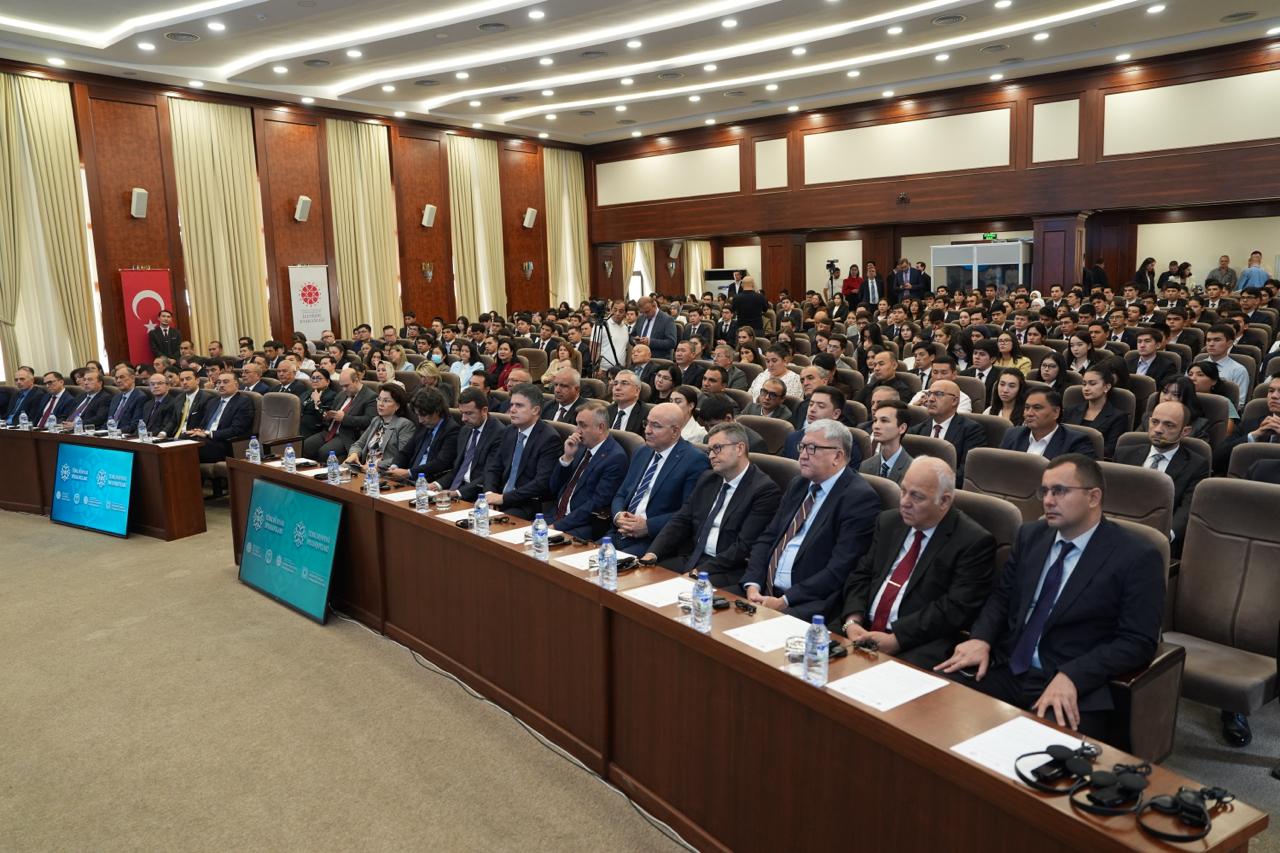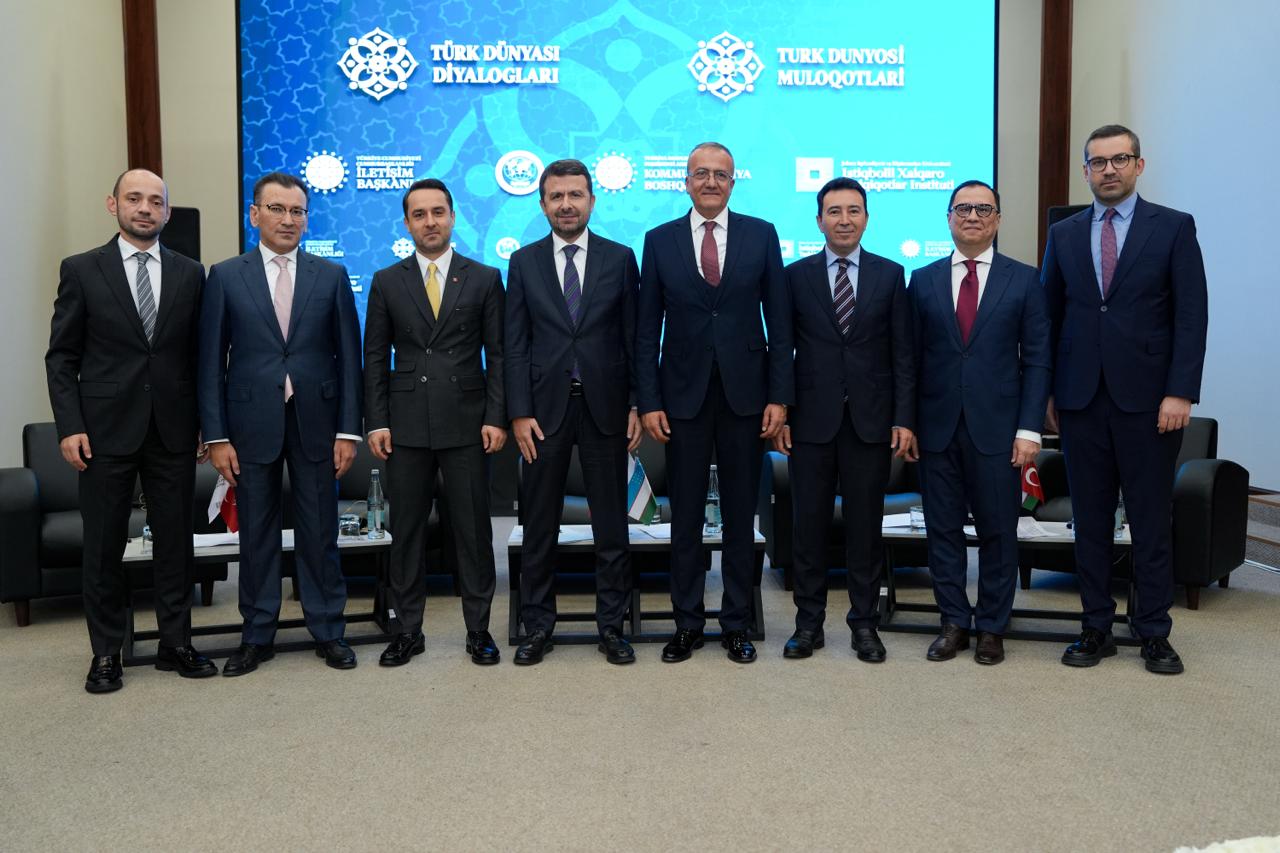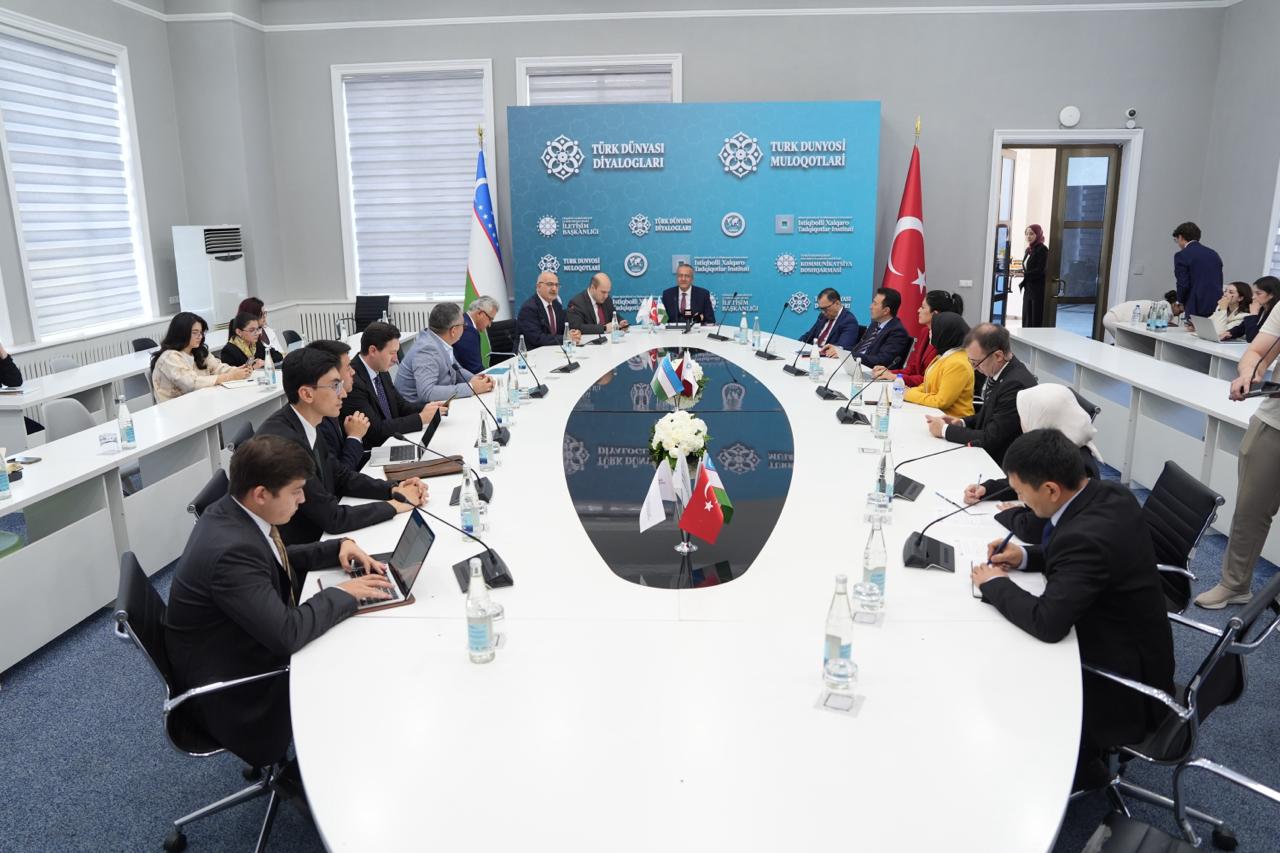

The Presidency’s Directorate of Communications organised a panel titled “Turkic World Dialogues: Shared Future, Shared Vision” in Tashkent, the capital of Uzbekistan.
Ahead of the 13th Summit of Heads of State and Government of the Organisation of Turkic States (OTS), to be held in Ankara on 29–30 October 2026, the Directorate of Communications has been organising a series of panels in OTS member and observer countries. The first event in the panel series in question was held in Astana, the second in Baku, and the third event in the series took place today in Tashkent, the capital of Uzbekistan.
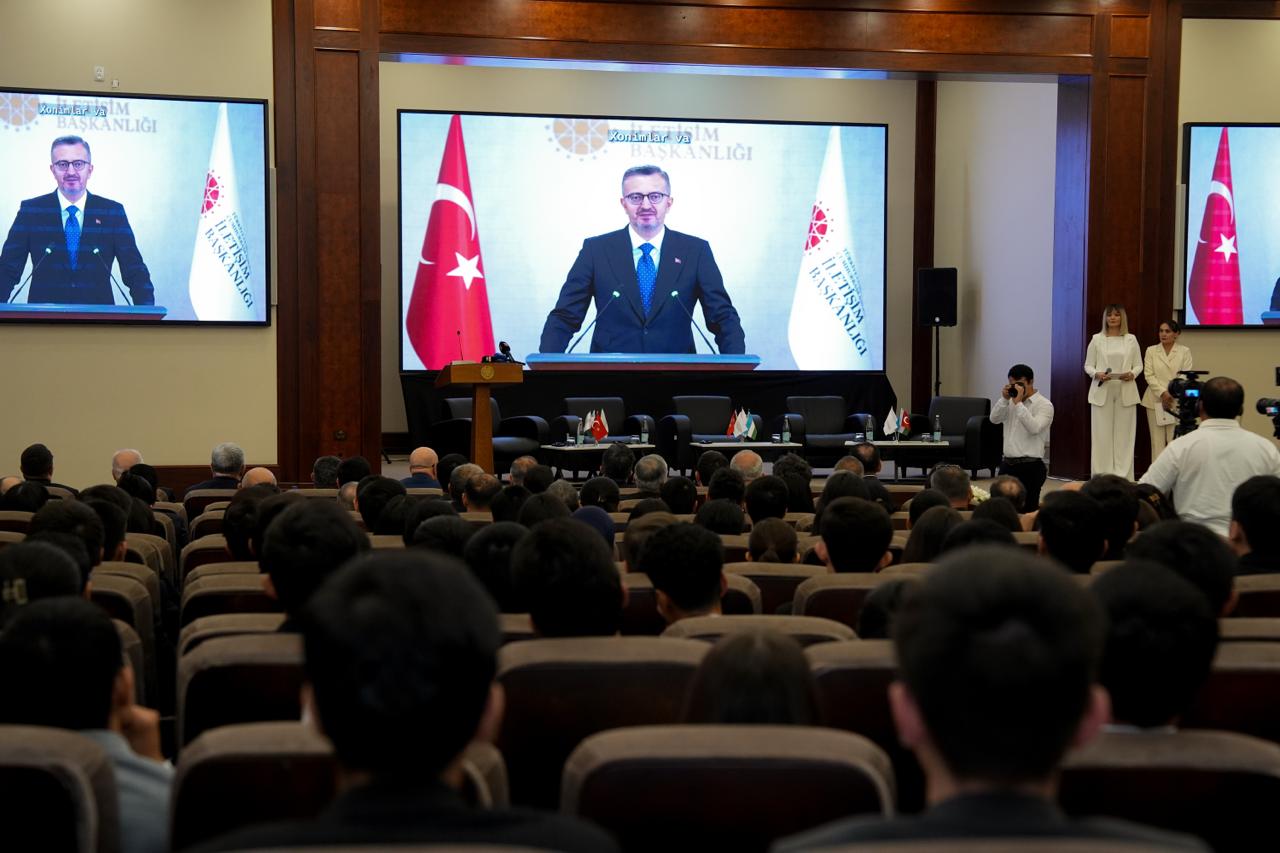
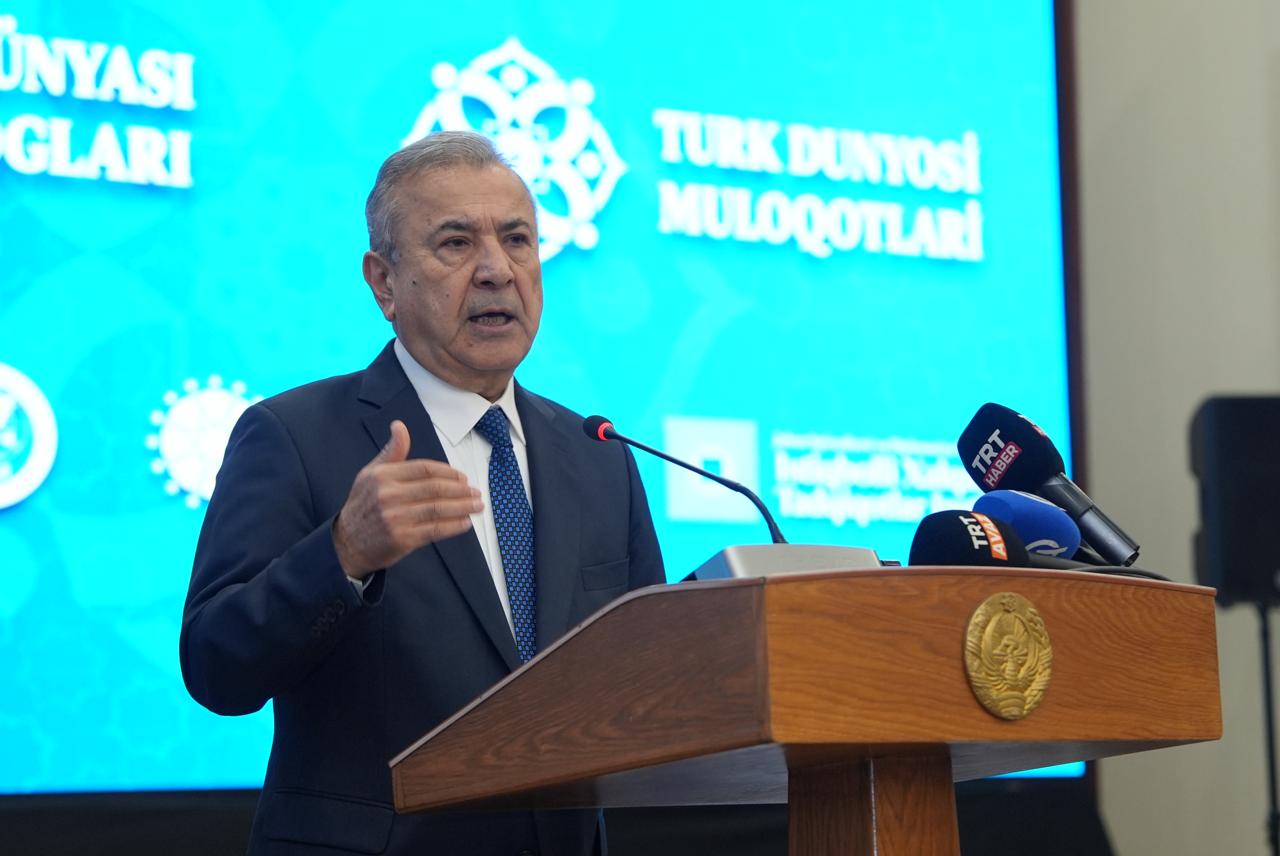
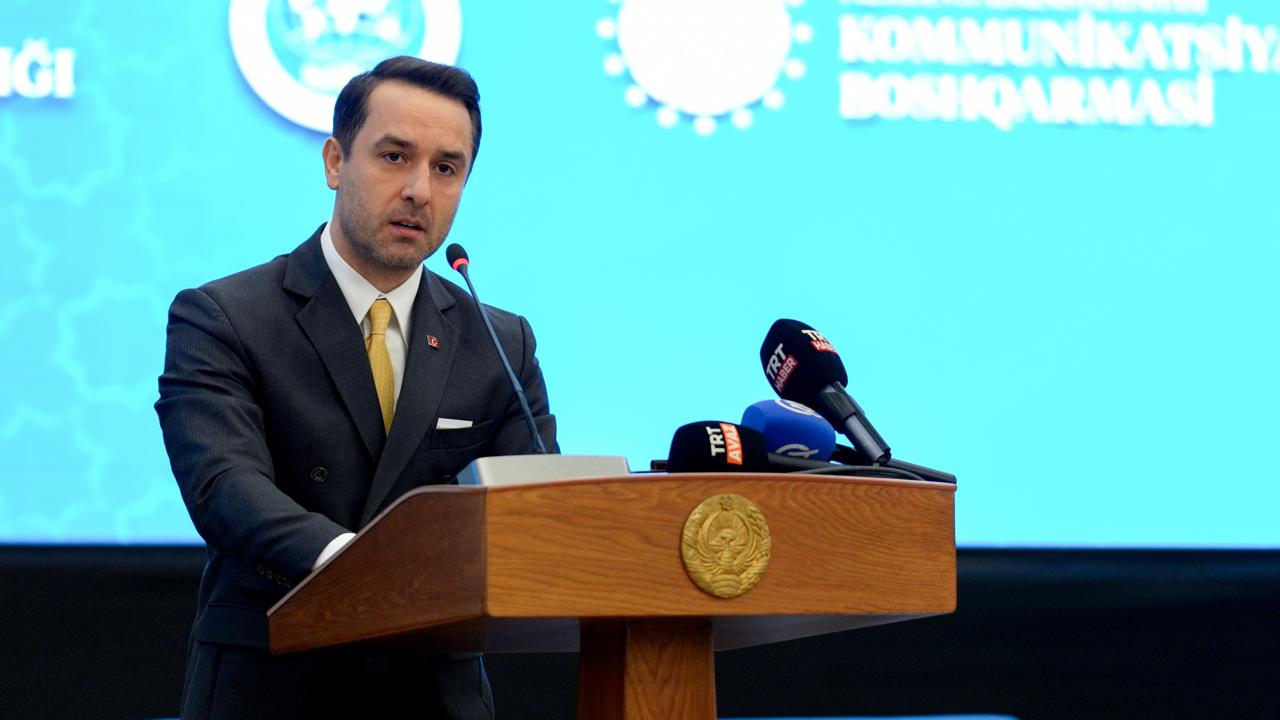
The programme commenced with opening remarks delivered by Prof Sodiq Safoyev, First Deputy Chairperson of the Senate of the Oliy Majlis of the Republic of Uzbekistan and Rector of the University of World Economy and Diplomacy (UWED), and Dr Ufuk Ulutaş, Ambassador of the Republic of Türkiye to Tashkent. The Presidency's Head of Communications, Burhanettin Duran, addressed the participants of the panel via video message.
In his video message, the Presidency's Head of Communications, Burhanettin Duran, highlighted the Organisation of Turkic States’ vision for international cooperation and emphasised the importance of partnerships within the Turkic world in transport, energy, trade, and the digital economy. Stating that Turkic states should strengthen their solidarity in the face of crises in the international system and increasing geopolitical competition, Head of Communications Duran said that their shared historical and cultural heritage guides this cooperation.
He also touched on cooperation in media and communications, noting that disinformation, hate speech, and digital manipulation could undermine peace in societies and solidarity among countries. He called for increased information and experience sharing, the development of joint platforms, and strengthened communication capacity during times of crisis in response to these threats. Head of Communications Duran said that he believes the panels held ahead of the Ankara Summit will provide an intellectual basis for the shared future of the Turkic world.
The panel was moderated by Yusuf Özhan, Deputy Director General and Editor-in-Chief of Anadolu Agency. During the panel, Ambassador Javlon Abdujalolovich Vakhabov, Deputy Adviser to the President of the Republic of Uzbekistan on Foreign Policy and Director of the International Institute for Central Asia (IICA); Prof. Hasan Ali Karasar, Rector of Cappadocia University; Prof Fırat Purtaş, Dean of the Faculty of Economics and Administrative Sciences, at Ankara Hacı Bayram Veli University; and Prof Xasanov Ulug'bek Atabayevich, faculty member at the University of World Economy and Diplomacy of Uzbekistan, delivered their assessments
The panel discussed ways to strengthen political, economic, academic and societal ties across the Turkic world and to advance cooperation within the framework of the Organisation of Turkic States towards more concrete and sustainable areas. In addition to developing transport, energy, technology, trade and investment, the importance of increasing interaction among universities, young people and think tanks was emphasised. The panel also highlighted the need to strengthen public diplomacy based on shared history and culture and to enhance the Turkic world’s contribution to regional stability and development.
Moderating the panel, Anadolu Agency Deputy Director General and Editor-in-Chief Yusuf Özhan noted that regional cooperation and multilateral relations were becoming increasingly important amid growing international uncertainty and security risks. Özhan also emphasised the importance, from a public diplomacy perspective, of accurately communicating developments in the Turkic world to the public, enabling societies to gain a better understanding of one another, and strengthening a shared narrative.
Ambassador Javlon Abdujalolovich Vakhabov, Deputy Adviser to the President of the Republic of Uzbekistan on Foreign Policy and Director of the International Institute for Central Asia (IICA), stated that cooperation within the framework of the Organisation of Turkic States should focus on deepening economic ties, strengthening transport and infrastructure connectivity, and expanding the exchange of technology and expertise. Emphasising the importance of ensuring that economic growth translates into employment, higher incomes, and greater social welfare, Vakhabov identified enhancing the technological capacity of small and medium-sized enterprises, developing a skilled workforce aligned with labour market needs, modernising energy infrastructure, and strengthening cooperation among think tanks as priority areas. He stressed that cooperation within the OTS should deliver tangible results in the form of new employment opportunities, increased productivity and higher living standards.
Prof. Hasan Ali Karasar, Rector of Cappadocia University, described Uzbekistan as one of the major centres of a cultural, civilisational and state tradition spanning thousands of years, noting that the historical ties of the Turkic world are deeply rooted. Karasar emphasised that, amid the uncertainties brought about by wars, economic crises, disasters, climate change and technological transformation, the Organisation of Turkic States provides an important platform for cooperation that strengthens the resilience of its member states and contributes to regional stability. Karasar emphasised the importance of sustaining cooperation through initiatives that produce tangible results, highlighting the need to strengthen people-to-people and inter-governmental relations.
Prof. Fırat Purtaş, Dean of the Faculty of Economics and Administrative Sciences at Ankara Hacı Bayram Veli University, stated that relations among Turkic states have seen significant institutional and economic development over the 34 years since the first Turkic World Summit in 1992. Purtaş recalled that then-President Turgut Özal presented the vision of a "common market of the Turkic world" at the 1992 Ankara Summit, noting that economic relations, which were limited at the time, have now reached billions of dollars in trade and investment. Purtaş emphasised the importance of strengthening interaction among universities, academics, and young people, in addition to economic integration, for the future of the Turkic world, citing the goal of increasing trade volume between Türkiye and Uzbekistan to $5 billion in the short term and $10 billion in the medium term.
Prof. Khasanov Ulugbek Atabayevich at the University of World Economy and Diplomacy (JIDU/UWED) in Tashkent, Uzbekistan, said that hosting the event at the university is significant and symbolic for young researchers and students. Khasanov noted that studies are being conducted at the university on the Turkic world's historical relations and cooperation in the fields of economy, society, transportation, and technology. He also emphasised that investment, logistics, and technology projects developed within the framework of the Organisation of Turkic States provide important opportunities not only for Uzbekistan but also for Central Asia and the Caspian region. Khasanov also stated that relations between Türkiye and Central Asia have developed on the basis of brotherhood and that these ties must be strengthened further.
During the second half of the event, attendees met with members of the media. At the meeting attended by members of the press based in Tashkent, the significance of the 13th OTS Summit to be held in Ankara in terms of political, economic and institutional integration in the Turkic world, as well as the deepening cooperation among member states in the fields of transportation, security and foreign policy, were addressed. The meeting also discussed increasing student and academic mobility in higher education; the role of academic diplomacy in strengthening ties among Turkic states; passing down shared history and culture to future generations; and the contributions of Turkish television series and the film industry to cultural rapprochement and mutual recognition in the Turkic world.