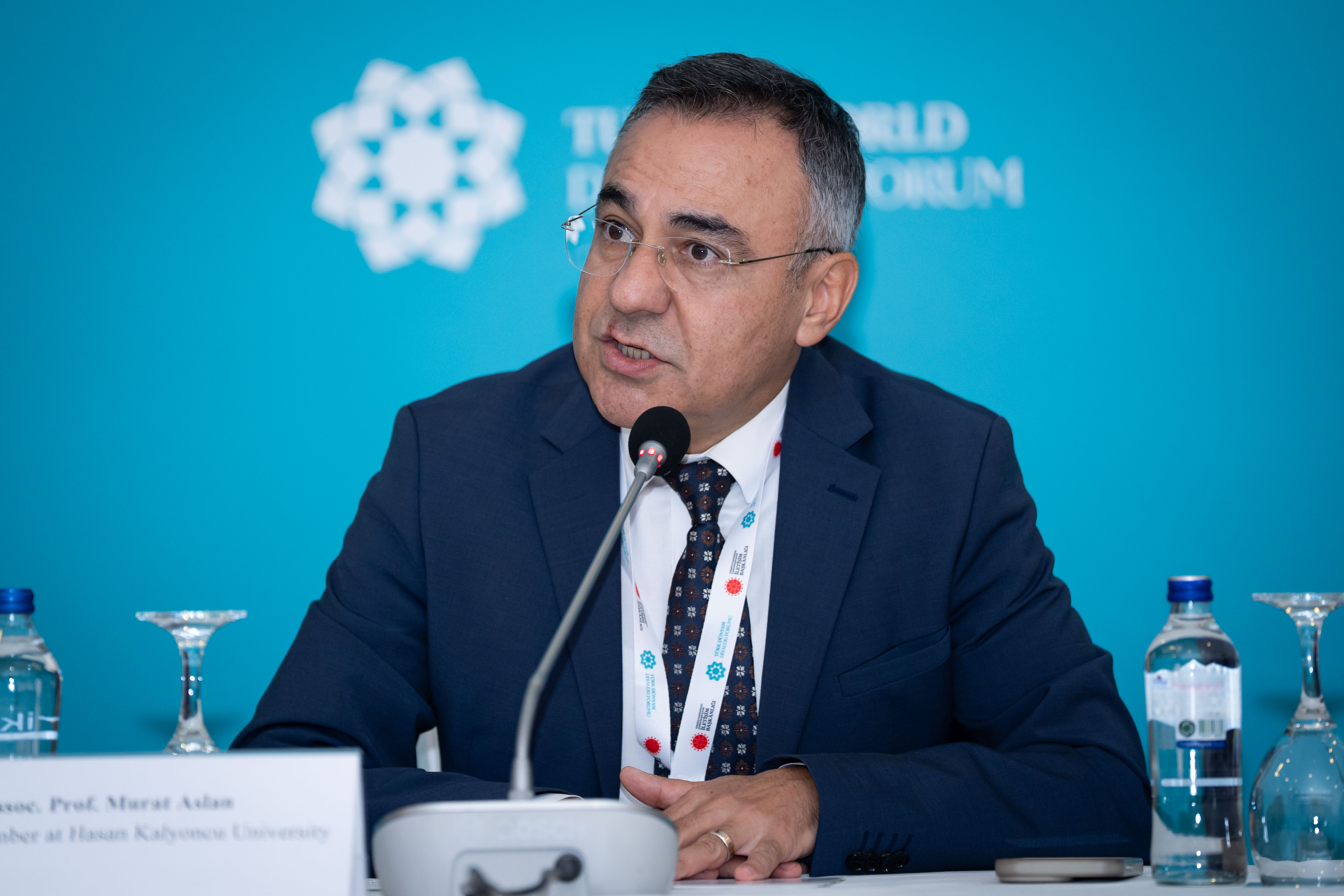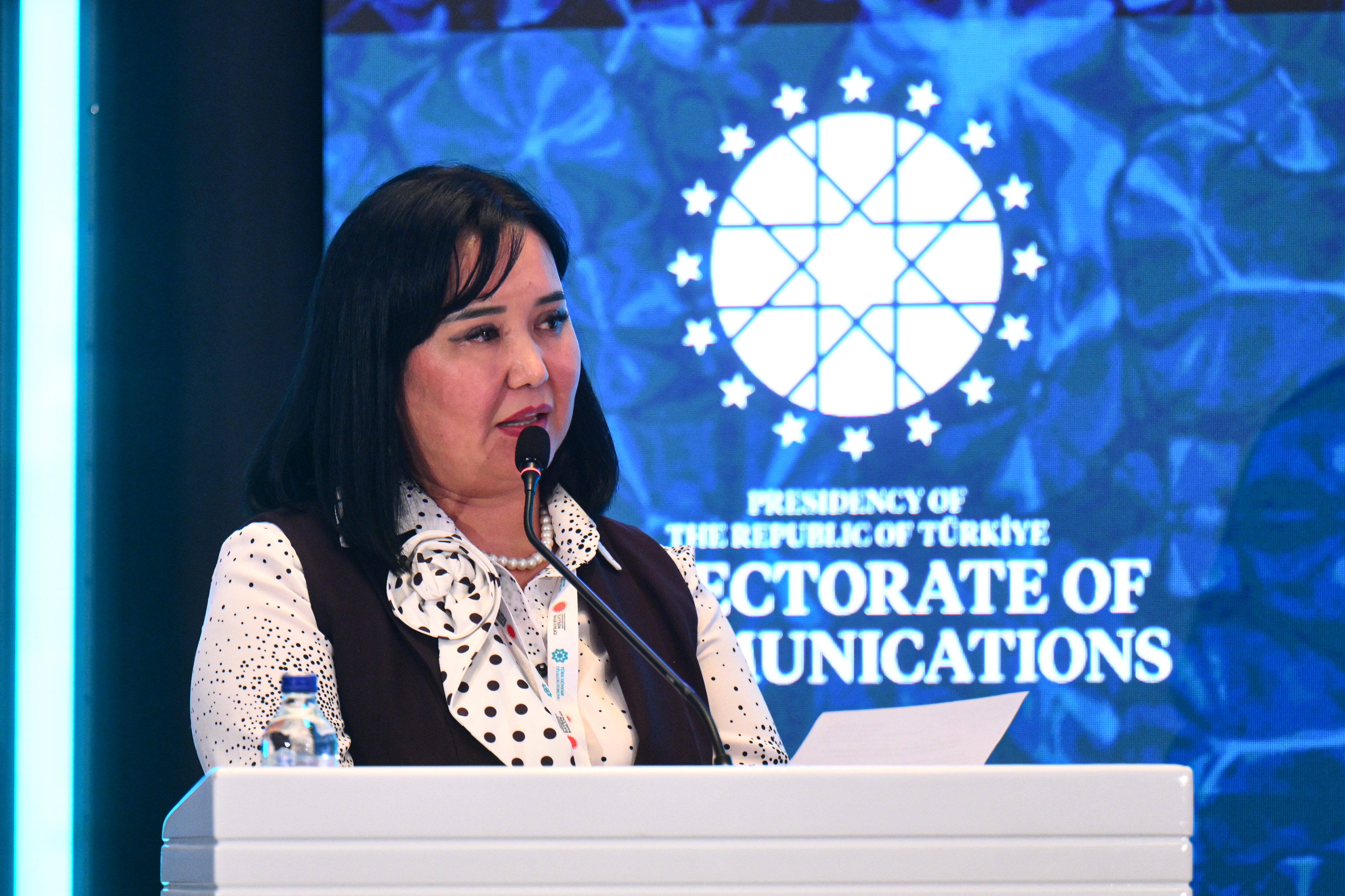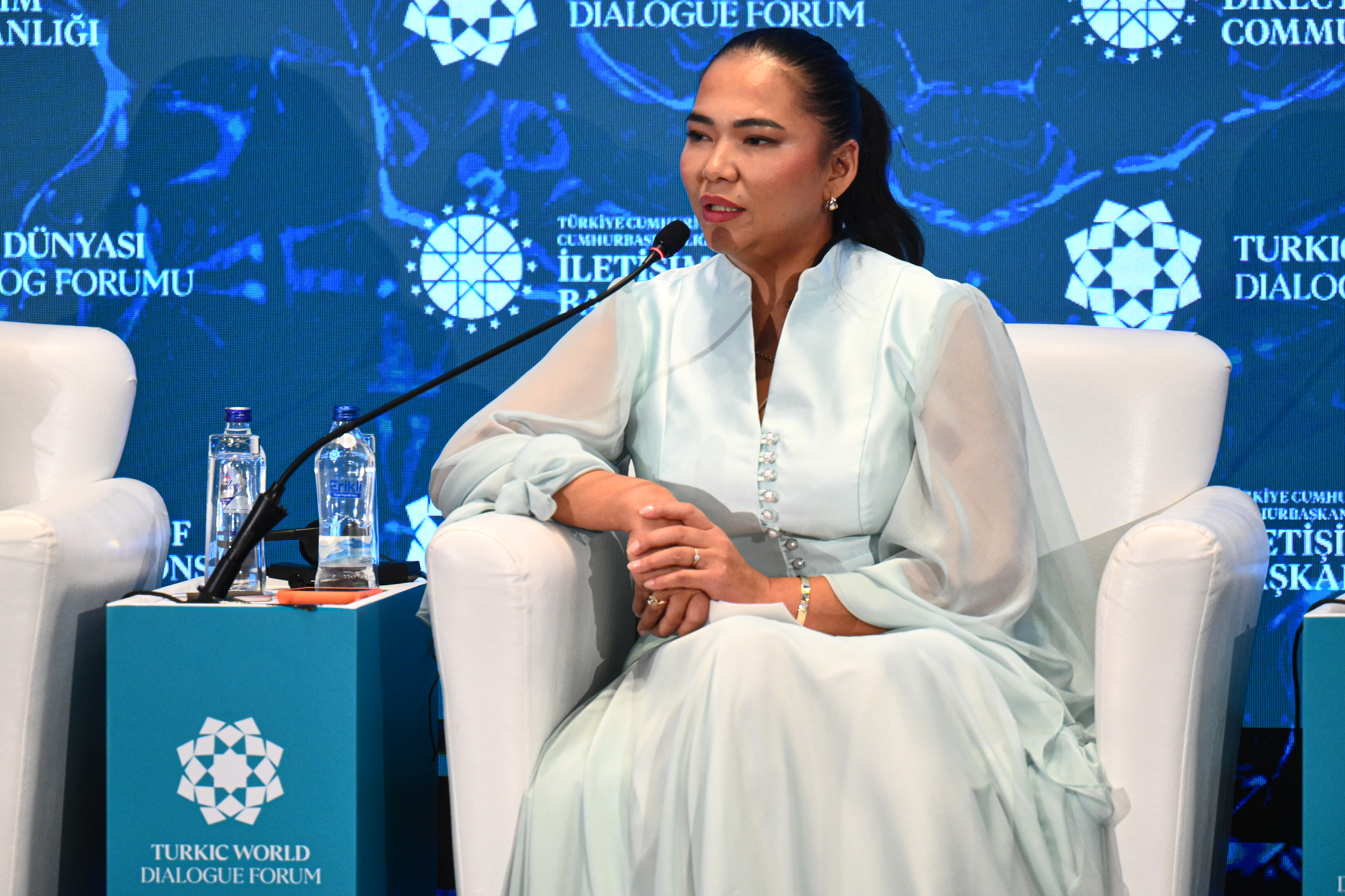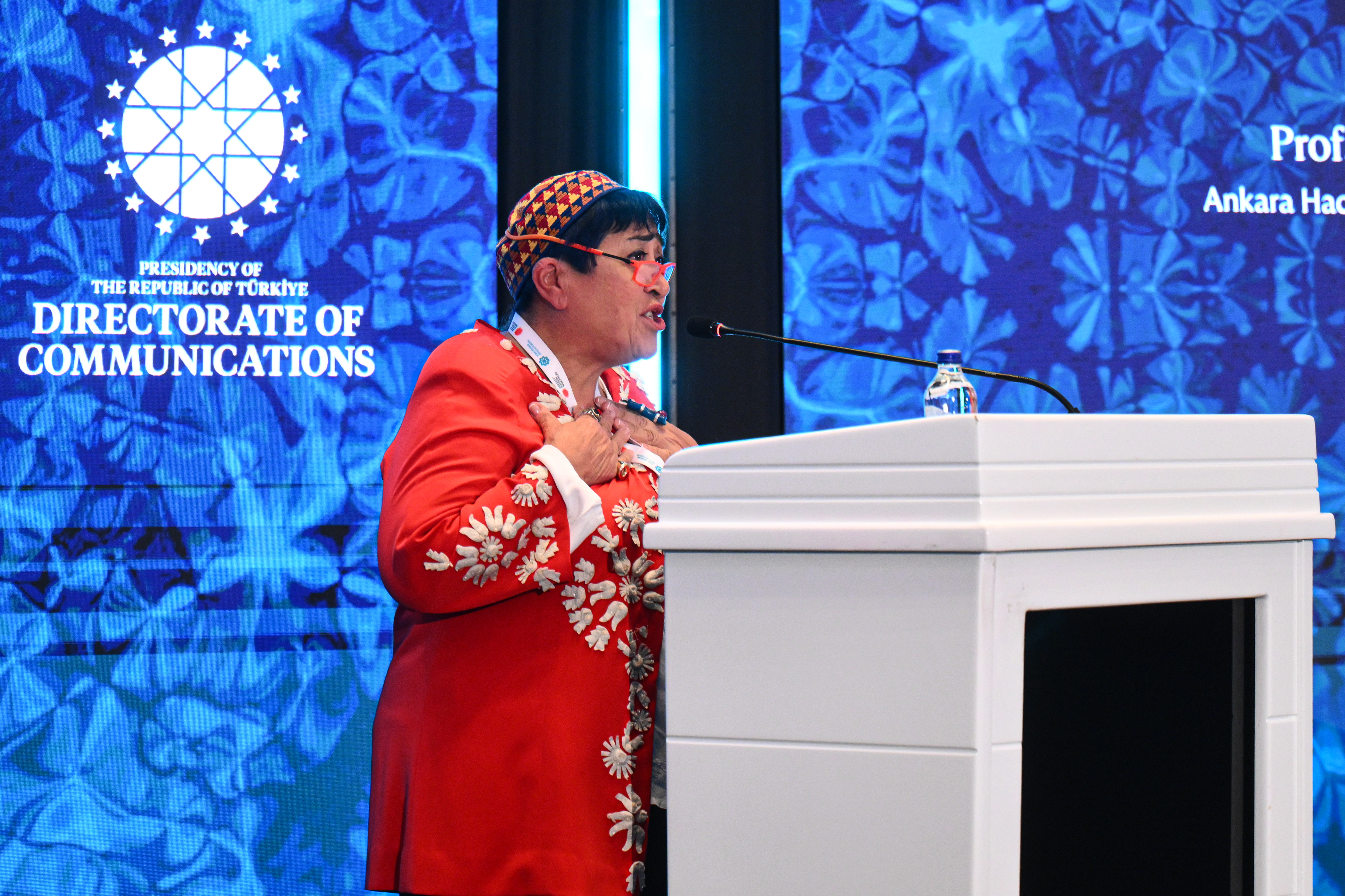

Organised by the Directorate of Communications in Ankara, the panel titled “Culture and Art in the Turkic World: From Tradition to the Future” was held in Ankara as part of the “Turkic World Dialogue Forum".
Speaking at the opening of the panel, the President of the Yunus Emre Institute (YEE), Prof. Selim Argun, stated that the Turkic world represented a vast historical heritage shaped over centuries within a shared sphere of unity, culture and civilisation, and that culture and art were the most important means of preserving and transmitting this heritage.
Noting that culture and art were among the fundamental pillars of the Turkic World Vision 2040 document, Argun described culture as the strongest foundation upon which societies come together, shared memories are built, and bonds of affection are strengthened and take root.
“We are members of a great family of more than 300 million people, whose history stretches back to the name of the Turkic nation carved into stone in Orkhon. Today, we are collectively witnessing a shared awakening and revival across the Turkic world,” Argun said.
Emphasising that preserving culture meant carrying it into the future as a living, dynamic and constantly evolving set of values, Argun said, “We must remember the past without imitating it, and embrace change without becoming alienated from our own identity.”
“Expanding our cultural industries worldwide must be our primary objective”
Argun said YEE was working to introduce all aspects of Turkish language and culture to cultures around the world through its activities in 71 countries and 95 cities. He noted that the Institute had taught Türkiye Turkish to 8,000 people at its cultural centres across six countries in the Turkic world, while approximately 25,000 people from the Turkic world had taken the Turkish Proficiency Exam and received their certificates.
Underscoring the need for Turkic states to focus on a common language and cultural communication, Argun said, “The agreement reached on a common Turkic alphabet consisting of 34 letters marks a historic milestone. This is not merely a matter of an alphabet; it is a major achievement that will enable us all to read and share one another’s works, ideas and artistic expressions directly.”
Argun stated that, alongside a common language, there was also a need for a shared digital cultural space, emphasising that the Turkic world should produce animated films, historical television series and digital games.
Highlighting the importance of transforming cultural heritage into joint production and a shared economy, Argun said, “Combining our values and strengths to produce works together, enabling our artists’ works to reach international audiences, creating works with global appeal and expanding our cultural industries worldwide must be among our most fundamental and pressing priorities.”
"As the Turkic world, we have the right to present our values as the heritage of humanity"
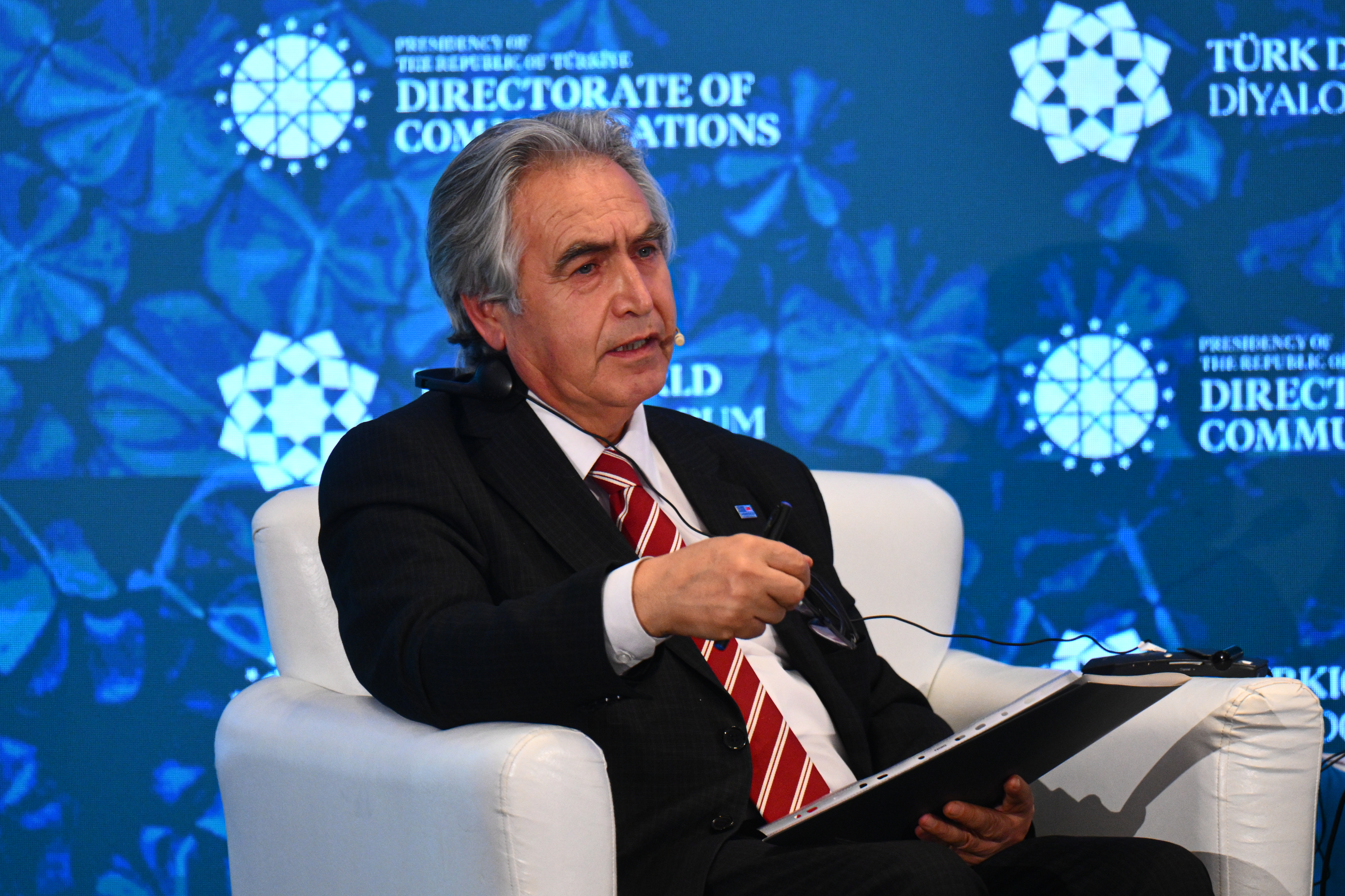
Prof. Mehmet Öcal Oğuz, a faculty member at Ankara Hacı Bayram Veli University, who chaired the panel, said that they must ensure all generations embrace their proud Turkish identity by making it an integral part of sustainable development.
Noting that the Turkic world has, throughout history, bestowed many gifts for the benefit of humanity, Oğuz added: "When we look at areas such as tangible and intangible heritage, world memory, gastronomy, architecture, traditional crafts and creative cities, we see that, as the Turkic world, we share common values and possess both the ability and the right to present these values to the international community as part of humanity’s shared heritage."
Oğuz stated, "We have submitted five of our heritage sites in Türkiye, known as 'wooden-columned mosques', to UNESCO from the Mediaeval period. When we travelled through the Turkic world, we saw examples of this mosque in many places. When we submitted this as a serial heritage site to UNESCO, it recognised these mosques as part of humanity’s shared heritage and called for their protection."
Turkic world representatives of culture and the arts shared their views
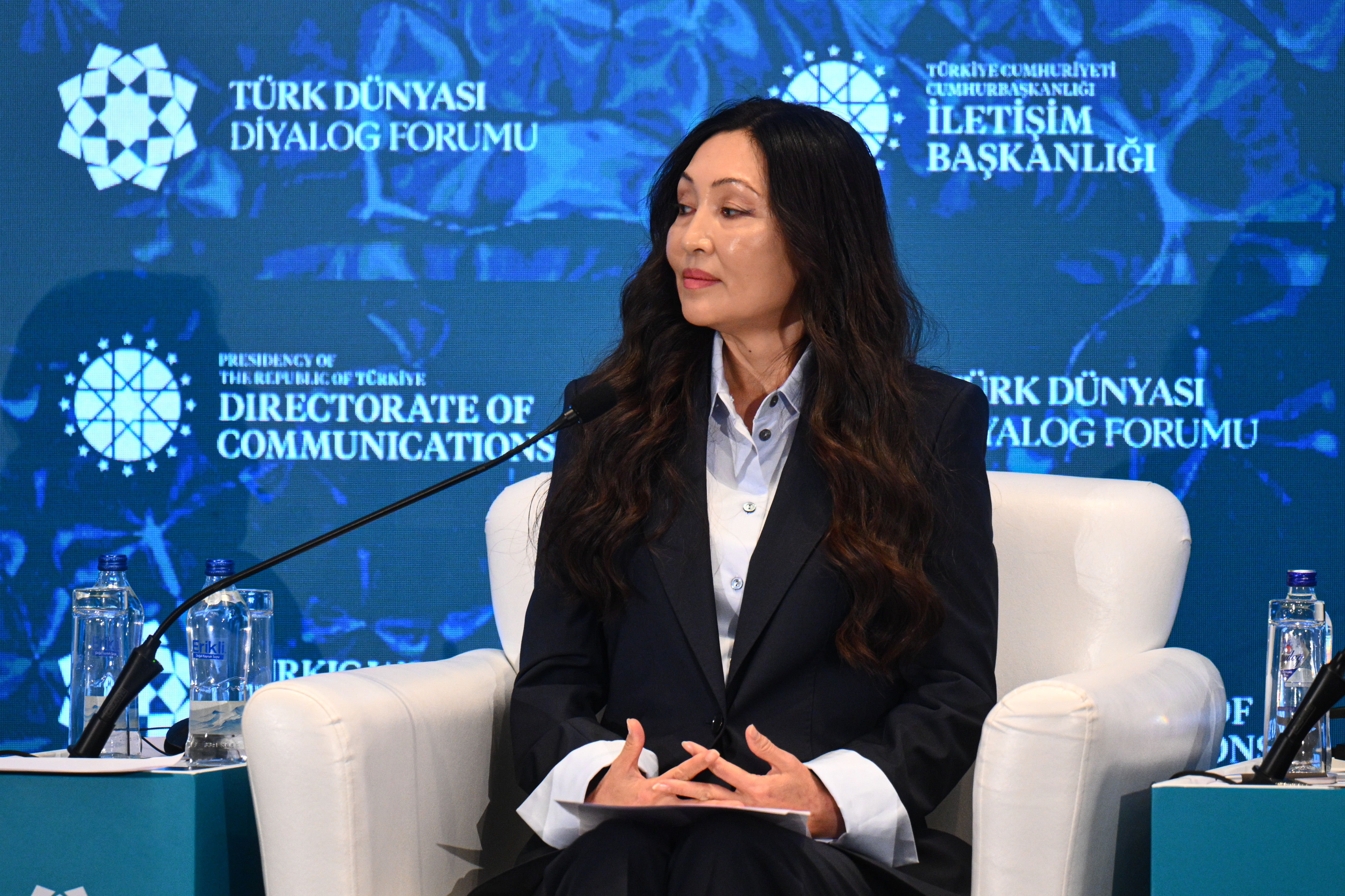
Director, screenwriter and producer Marina Kunarova noted that Türkiye has made significant progress in culture and the arts, adding that Turkish TV series are widely watched worldwide.
Kunarova highlighted the importance of establishing a single platform for cinema within the Turkic world, noting that films screened on this platform could present narratives related to Turkic civilisation to a global audience.
Musician Gülzade Riskulova said that for music unique to the Turkic world to be passed on to future generations, today’s children must be exposed to it.
Riskulova, who performed Aşık Veysel’s song ‘Uzun İnce Bir Yoldayım’ alongside excerpts from the Kyrgyz national epic ‘The Epic of Manas’, noted that music is important from a cultural perspective.
Dr. Meshxura Darmanova, Head of the Intangible Cultural Heritage Research Department at the Scientific-Research Institute of Cultural Studies and Intangible Cultural Heritage under the Ministry of Culture of the Republic of Uzbekistan, emphasised the importance of collaboration on joint TV series and films within the Turkic world.
The artist Ayhatun Ateşin pointed out that if cultural memory is not documented, it cannot be passed on to future generations, adding that this could lead to the loss of cultural continuity.
Ateşin reported that they had begun making replicas of ceramic cultural heritage artefacts taken from Cyprus to other countries, explaining that they were doing so to pass on their culture to future generations.
President of the Azerbaijan-Türkiye Society, Etibar Babayev, also gave a speech at the panel.